The 1972 Skull PEZ Dispenser Is the Vintage Halloween Icon Every Classic Collector Has to Track Down
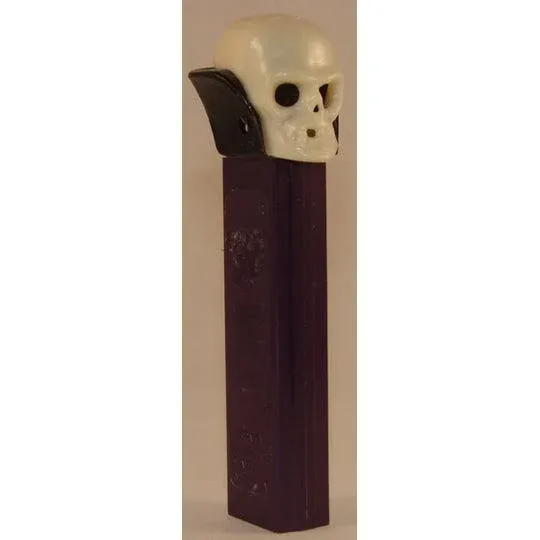
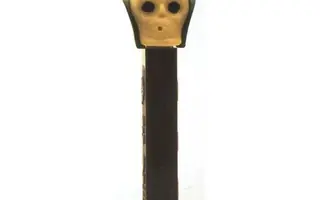
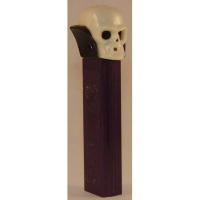
Few PEZ dispensers stop me in my tracks at a flea market quite like a vintage Skull. When I spotted my first one tucked into a dusty display case in Toledo -- ivory-toned head, no feet on the stem, that unmistakable hollow-eyed stare -- I knew I was looking at something special. The 1972 Skull A PEZ Dispenser is one of the earliest Halloween-themed dispensers PEZ ever released, and for collectors of vintage no-feet pieces, it sits near the top of the want list.
What Makes the 1972 Skull a No-Feet Classic
The Skull was introduced in 1972, placing it firmly in the golden era of PEZ's no-feet dispensers -- the design style PEZ used before the small plastic "feet" tabs were added to the base of stems in the 1980s. That no-feet configuration is one of the defining markers collectors use to authenticate true vintage pieces, and the Skull wears it proudly.
The head itself features a stylized skull face: pronounced cheekbones, hollow eye sockets, and a wide, grinning mouth. The molded details are surprisingly crisp for a dispenser of this age, and the light-colored head (typically ivory or off-white plastic) gives it a genuinely eerie look that feels right at home in a Halloween display. The head pops up on the standard PEZ stem to dispense candy from the neck -- simple, iconic, and absolutely timeless.
Stem Variations Collectors Watch For
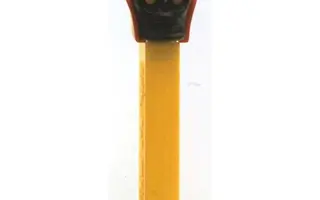
Like many dispensers from this era, the 1972 Skull was produced in multiple stem color variations. Orange and black stems are the most commonly associated with the Halloween theme, though other colors do exist in the wild. Patent-number markings on the stem and country-of-origin stamps (Austria and Yugoslavia both appear on examples from this period) are details serious collectors examine closely when evaluating a piece.
- Orange stem: the most thematically appropriate, and a crowd favorite in Halloween displays
- Black stem: sleek and dramatic, especially displayed next to other spooky-era dispensers
- Patent markings: "3.8" (U.S. patent) and "3.4" (Austria) help narrow down production origin and era
"A 1972 no-feet Skull in solid condition is the kind of piece that anchors an entire vintage Halloween shelf. Pair it with an early Witch or a Skeleton and you've got a display that tells a real story about where PEZ came from."
Why Vintage No-Feet PEZ Dispensers Matter
The no-feet era (roughly pre-1987) is considered by many collectors to be the most character-rich period in PEZ history. Dispensers from this window were often produced in smaller quantities, distributed across fewer markets, and are now more susceptible to damage from age -- cracking plastic, discoloration, and broken stems are all common issues. A Skull from 1972 that remains intact, with a clean stem and a head that still opens smoothly, is genuinely harder to find than it sounds.
Cellophane-packaged examples (mint in cello) are the holy grail for serious collectors, but even loose dispensers in good condition command real respect in the hobby. The Skull's relatively simple design -- no hair, no hat, no painted accessories -- actually works in its favor here: there are fewer painted details to chip or fade, so surviving examples often look quite good.
Display Ideas
The 1972 Skull is a natural centerpiece for a vintage Halloween PEZ grouping. Arrange it alongside a 1957 Witch A (another early no-feet Halloween classic), a Skeleton, or a Black Cat for a themed shelf that highlights how far back PEZ's spooky sensibility goes. The ivory skull head reads beautifully against a dark display backdrop, and the no-feet stems line up cleanly on a flat shelf without any wobble.
For collectors who organize by decade, the Skull fits right into a 1970s row that showcases the breadth of the no-feet era. It is the kind of piece that prompts questions from visitors who did not know PEZ had been making Halloween dispensers this long.
Who Should Add This to Their Collection
If you focus on vintage PEZ, no-feet dispensers, or Halloween collectibles, the 1972 Skull is essentially a must-have. It is old enough to carry genuine historical weight, distinctive enough to stand out in a crowded display, and thematic enough to anchor a seasonal arrangement. For newer collectors just getting into vintage PEZ, it is also an approachable entry point -- not the rarest piece in the world, but meaningful and increasingly harder to find in excellent condition.
Keep an eye on condition when you are hunting: look for a head that opens and closes cleanly, a stem without major cracks or warping, and the clearest markings you can find for authentication. When you land a good one, you will know it.
- 🍬 Callie